
Overview
Cargo must stay where it was stowed
Cargo that shifts at sea is a serious risk to the cargo, the vessel and the crew alike. Securing must therefore be planned around the vessel's motion characteristics as much as the weight and geometry of the cargo.
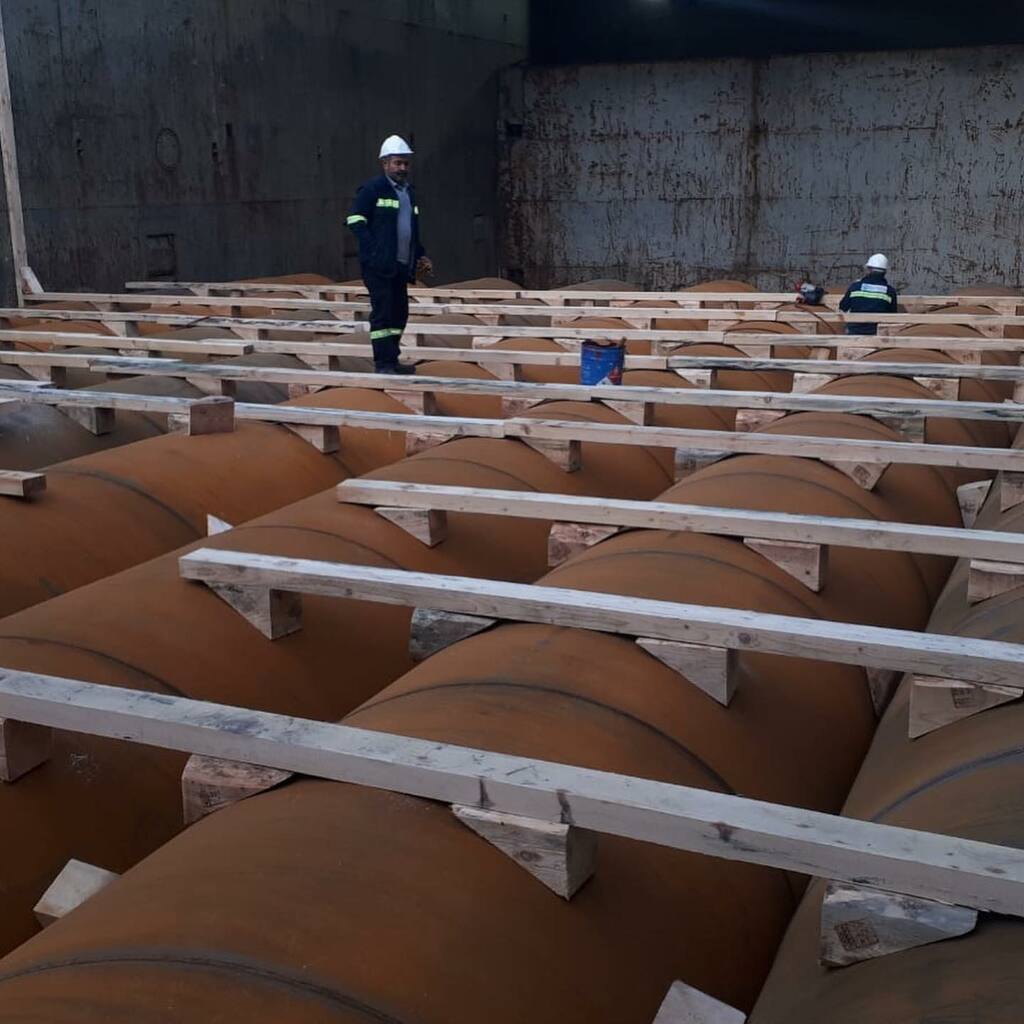
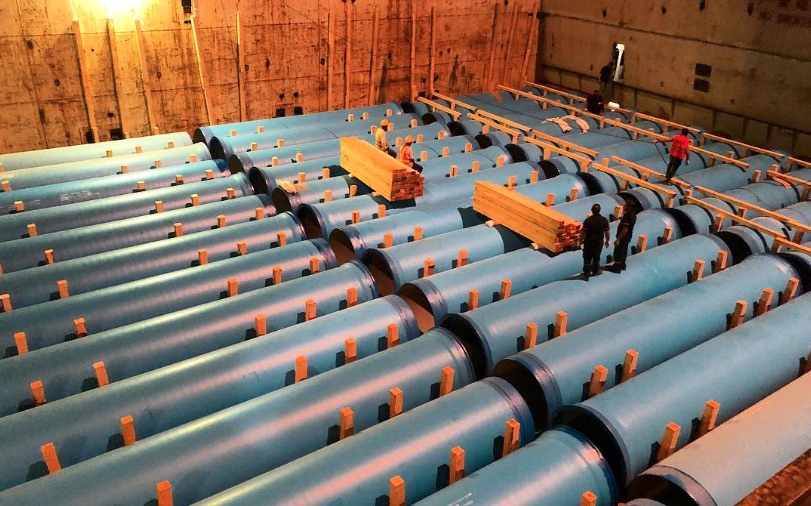
For difficult cargoes such as pipes, steel profiles, coils, machinery and project items, we agree the dunnage arrangement, securing points and tensioning elements with the ship's officers and carry out the work with our own team.
Where welded stoppers and chocks are required, our welding team works within the same organisation — so no additional contractor is needed.
Scope
Our securing services
Securing Application
- Pre-voyage cargo lashing
- Unlashing and material removal on arrival
- Setting out timber dunnage arrangements
- Fabrication of welded stoppers and supports
- Chain, wire and tensioning element application
- Securing checks and correction at intermediate ports
Materials & Equipment
- Chains, turnbuckles and locks
- Steel wire rope and clamps
- Web slings and tensioning straps
- Timber and dunnage material
- Welded securing elements
- Lifting and handling gear
Planning & Documentation
- Securing plan by cargo type
- Compliance with the vessel's Cargo Securing Manual
- Application in line with IMO CSS Code principles
- Photographic record of the application
- Support for survey and inspection processes
- Post-job handover report
Project Cargo
Handling heavy and sensitive loads
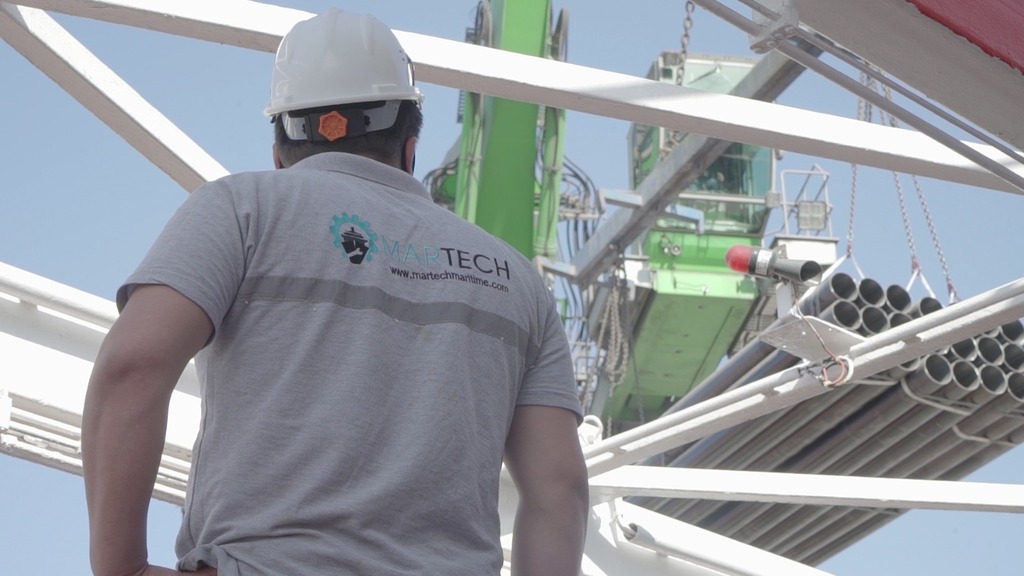
For heavy and sensitive cargo, securing cannot be separated from the handling plan. Lifting points, sling selection and the order in which cargo is placed in the hold all directly affect the securing arrangement.
We therefore plan crane-assisted handling and securing with the same team, and build the securing arrangement from the moment the cargo lands in the hold.
From the field
From our securing work
Need technical support for your vessel?
Reach our team for emergency or planned work — we review your request and respond the same day.